

Modern vehicles depend on Advanced Driver Assistance Systems (ADAS) to keep drivers safe. Yet even well-intentioned repair shops in Long Island can sabotage that safety with simple calibration errors. Below are the five most common mistakes we see—and how Mr. Calibration prevents them.
1. Skipping the Pre-Calibration Scan
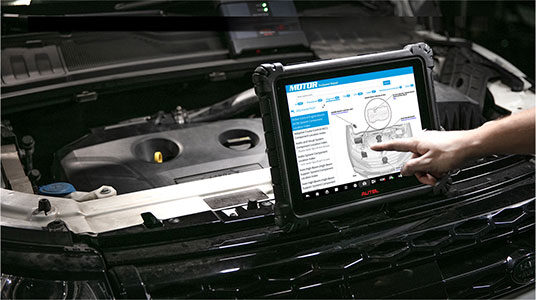
Before you touch a sensor or camera, run a pre-repair diagnostic scan. Skipping this step means you’ll miss stored DTCs that could throw off the calibration or mask deeper issues.
Pro tip: We perform an OEM-level scan with Xentry, ISTA, ODIS, or Autel Ultra before every job to capture a clean baseline and identify modules needing updates.
2. Using Generic Targets or Aftermarket Equipment
ADAS sensors require OEM-spec targets and fixtures. Using “one-size-fits-all” boards can shift radar angles by millimeters—enough to misjudge a pedestrian or braking distance.
How we solve it: Mr. Calibration invests in factory targets and continuously verifies equipment alignment with laser-guided measurements
3. Ignoring Ride Height and Wheel Alignment
If the suspension isn’t at factory ride height—or the wheels aren’t aligned—your calibration numbers are meaningless. Even a quarter-inch drop on one corner throws off radar pitch.
Best practice: We confirm ride height, four-wheel alignment, and tire pressure before every camera or radar calibration.
4. Skipping Software Updates & Relearns
New OEM software often re-indexes sensor parameters. Calibrating on outdated firmware leaves vehicles two steps behind.
Our edge: Technicians flash the latest firmware via manufacturer portals, then perform a post-update static or dynamic calibration per OEM guidelines.
5. Failing to Document & Validate Results
Without a digital report, insurers—and your customers—have no proof the calibration succeeded. Worse, an undocumented error can expose you to liability.
Solution: Every Mr. Calibration job ends with a PDF report showing before/after DTCs, target distances, tolerance windows, and a time-stamped pass/fail status—ready for your CCC One file.
Why This Matters for Long Island Collision & Glass Shops
- Liability protection when that newly repaired Tesla or BMW re-enters traffic
- Faster cycle times by keeping calibration in-house instead of outsourcing
- Higher CSI scores thanks to accurate safety-system performance
Ready for Hassle-Free, OEM-Compliant Calibration?
If you’re a collision repair, mechanical shop, or dealership in Nassau or Suffolk County and need precise radar or camera calibration, call Mr. Calibration today—or book online at MrCalibration.com. Your customers’ safety (and your reputation) depend on it.