
Advanced Driver Assistance Systems (ADAS) keep drivers safe with radar, lidar, and camera technology—but only when those sensors are calibrated correctly. At Mr. Calibration, we often hear Long Island collision centers and glass shops ask: “Should this vehicle get a static calibration or a dynamic calibration?” Below, we break down both methods, their OEM requirements, and how choosing the right one protects safety, cycle time, and your DRP score.
What Is Static ADAS Calibration?
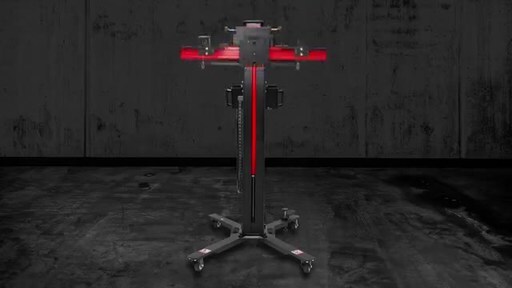
Static calibration is performed in-bay with the vehicle stationary. Our technicians position OEM-specified targets—such as Tru-Point boards and laser fixtures—at exact heights and distances. The vehicle’s ECU then relearns the correct angles for its forward-facing camera, radar, and lidar sensors.
When Static Calibration Is Required
- Complete windshield replacement (Toyota, Subaru, Honda, BMW)
- Front bumper or grille repairs that disturb radar brackets
- ADAS sensor replacement or bracket damage
- Suspension modifications affecting ride height
Key Long Island tip: Many OEMs (e.g., Subaru EyeSight) only approve static calibration for windshield work—so skipping it risks claim denials and liability.
What Is Dynamic ADAS Calibration?
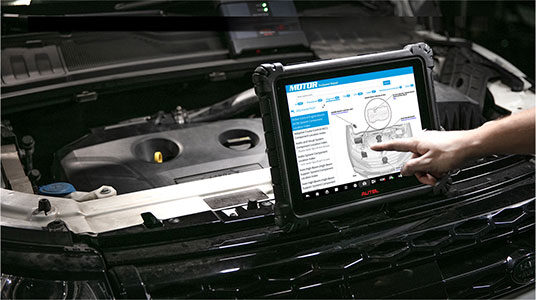
Dynamic calibration (also called “road test calibration”) uses a scan tool such as Autel Ultra or OEM software (Xentry, ISTA, ODIS) while the vehicle is driven at a specified speed on clear, well-marked roads. The camera or radar reads lane lines, road signs, and objects to self-align.
When Dynamic Calibration Is Required
- Post-collision repairs where mounts are intact but sensors lost alignment
- Minor windshield camera disturbances (Honda, Mazda)
- Some blind-spot monitor repairs after mirror replacement
- Adaptive cruise control recalibration on vehicles such as late-model Ford and Hyundai
Protip for Queens shops: A dynamic calibration route must have clear lane markings—avoid congested expressways like the LIE during peak hours to prevent time-outs.
Static and Dynamic: Dual-Process OEMs
Certain vehicles (Audi, VW, Mercedes) require a static calibration first, immediately followed by a dynamic road test. Missing either step will trigger a calibration fault and could void warranty coverage.
Comparison Table
| Feature | Static Calibration | Dynamic Calibration |
|---|---|---|
| Vehicle movement | Stationary in shop | Driven on-road |
| Space & equipment needed | Targets, level floor | Clear road route & scan tool |
| Avg. time (Mr. Calibration) | 45–90 minutes | 20–40 minutes drive |
| Typical OEM use cases | Camera, radar, lidar | Camera-focused systems |
| Common brands (LI market) | Subaru, Toyota, BMW | Honda, Ford, Mazda |
| Insurance documentation | Target distances & photos | Scan log & route data |
Why Long Island Shops Choose Mr. Calibration
- OEM-Grade Equipment – Tru-Point, Autel IA900WA, and factory software (Xentry, ISTA, ODIS).
2. Mobile Service – We come to collision centers in Nassau, Suffolk, and Queens or calibrate at our Port Washington facility.
3. Same-Day Turnaround – Get your car out of paint, calibrated, and delivered without adding days to cycle time.
4. Full Documentation – Static target photos, dynamic route logs, pre-/post-scan DTC reports—ready for CCC One.
Book Your Next Calibration
Unsure whether your vehicle needs static, dynamic, or dual-stage calibration? Mr. Calibration’s ASE-certified ADAS technicians are a call away.
Call (251)-CALIBRATE or schedule online at MrCalibration.com. Serving Long Island & Queens collision repair facilities since 2023.